The Coastal Maine Island That Is Only Reachable by Ferry — And Worth Every Minute of the Journey
The deck creaks in a way that makes you reevaluate whatever you packed in glass, and the ferry out of Port Clyde smells like salt and diesel. Depending on chop, the ride takes about an hour. Even so, the majority of passengers watch the mainland recede behind them while standing outside and leaning into the wind. You’ve already begun to sense the change by the time Monhegan, which is low, rocky, and almost stubborn-looking, appears on the horizon. No spa weekend can fully reset the nervous system like leaving the road behind does.
Situated approximately ten miles off the coast of Maine, Monhegan is a mere square mile of land that has never bothered to pretend to be anything other than what it is. No automobiles are present. Chain stores don’t exist. The roads, if any, are still unpaved and lined with lobster traps arranged in seemingly casual but likely not. The fact that there are fewer than 70 year-round residents—a figure that hasn’t really changed in decades—tells you something about the type of place this is and the kind of people who are willing to make it work.
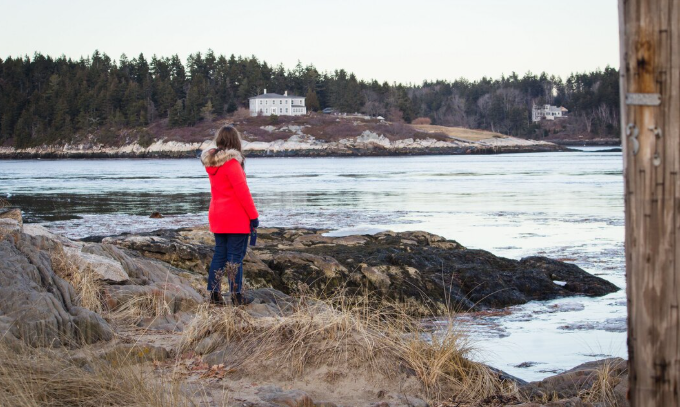
Fishing and tourism have been the main drivers of the economy since the 1800s. Conversations on the dock and the somewhat cautious friendliness of the bicycle rental woman, who would prefer that you avoid the trails, are examples of this delicate balance. Monhegan Associates, a private nonprofit organization that maintains nine miles of hiking trails leading out to what are reportedly the highest ocean cliffs on the Maine coastline, owns about two-thirds of the island. Most likely, they are. The assertion doesn’t feel like marketing when you stand on Black Head and watch the Atlantic punch the granite below.
Long before Instagram did, artists discovered this place. This is where Edward Hopper came. Rockwell Kent remained. The light was painted by Andrew Wyeth. The Monhegan Museum of Art and History is still open for visits, and there are a few active studios dotted throughout the village where artists sell canvases that precisely resemble the view outside their windows. Walking through these areas gives the impression that the island has been subtly curating itself for more than a century, welcoming some tourists and graciously outliving others.
Carry in, carry out are important things to know before you leave. There aren’t any public trash cans. Avoid using drones. No fires. Bicycles are not allowed on the trails. The guidelines read like a courteous warning from someone who has witnessed tourists engage in every kind of foolishness and has chosen to put it in writing. The mainland’s long shower customs should likely remain there due to the scarcity of electricity and water. Leashes are necessary for pets. Locals will tell you straight out that kayaking the island’s backside, where the cliffs are highest, is extremely risky.
For a place this small, the food situation is better than you would anticipate. Surprisingly, there is a brewery. Naturally, the lobster rolls were served as they should be: cold meat, a warm bun, and moderation with the mayonnaise. There are a few cafes, a general store, and several inns that range from simple cottages to establishments more akin to hotels. It doesn’t feel overdone.
It’s difficult not to feel as though you’ve wandered into a place that quietly understands its value when you watch the final ferry depart in the late afternoon, with day-trippers waving and the year-rounders making their way home through the village. It remains to be seen if Monhegan continues in this manner. The hour on the water still serves its purpose as of right now.


You May Also Like
Taos, New Mexico, Is Completely Underrated—And These Are the 10 Things Visitors Always Regret Missing
Washington DC Restaurants-Top City Fit For Foodies
