Why These 6 International Destinations Are Seeing a Surge in American Visitors — And What’s Drawing Them
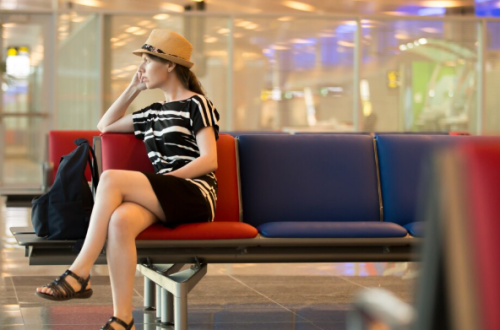
This year, something subtly peculiar is taking place at American departure gates. The boarding announcements have begun naming locations that, only a few years ago, were firmly in the bucket-list-but-later category, and the lines for Rome and Paris are shorter than they once were. Bhutan. Ethiopia. The Seychelles. Cairo, at last, correctly. It’s difficult to ignore it.
Only a portion of the story is revealed by the numbers. Over 60% of Americans say travel is a top priority for the next three months, and the average American leisure traveler is currently saving a record $6,556 annually for travel. The figure is sharper than it seems. Spending is not declining. They are spending differently, more thoughtfully, and with a focus that was previously reserved for retirees and honeymooners.
| Travel Snapshot | 2026 Details |
|---|---|
| Trend Focus | Shift toward emerging international destinations |
| Average U.S. Leisure Travel Budget | $6,556 (record high) |
| Global International Arrivals (2025) | Over 1.5 billion travelers |
| Fastest-Growing Region | Asia-Pacific, up 8.2% in 2025 |
| Standout Country Growth | Brazil +37%, Bhutan +30%, Egypt +20% |
| Major Cultural Driver | Opening of the Grand Egyptian Museum |
| U.S. Market Position | Slowing, less than 1% growth in 2025 |
| Key Traveler Profile | Discovery-driven couples, repeat travelers, families |
| Reporting Year | 2026 |
The simplest example to give is probably Egypt. After more than 20 years of postponed announcements, the long-rumored Grand Egyptian Museum finally opened close to the Pyramids of Giza in 2025, with a 20% increase in arrivals. A generation of tourists who traveled to Egypt in the past felt somewhat duped because they were informed that a museum would be opening but left without seeing it. Now, a large number of them are discreetly planning return trips. Two summers ago, you wouldn’t have heard clusters of American accents when strolling around the Giza plateau.
The bigger story is Brazil, where arrivals increased by 37%, a growth that most tourism boards can only imagine. The weak reality and the way Amazon lodges and beach towns in Brazil have rebranded themselves around slower, more immersive travel are partially to blame. It appears that Americans are drawn to places where they don’t feel like one visitor out of ten thousand. Bhutan’s high-value, low-volume tourism policy and 30% increase make it a perfect fit for that instinct. Ethiopia is no exception, with a 15% increase that may seem insignificant in percentage terms but is significant when looking for a hotel in Lalibela during pilgrimage season.

The Seychelles is the unexpected addition to the lineup, primarily because it consistently performs better than expected every few years. For a nation with fewer than 100,000 citizens, a 13% increase in arrivals is not insignificant. Americans seem to be reaching farther for the same kind of experience without the crowds, particularly those who have already crossed Bali and the Maldives off their list.
These six locations are not connected by geography. It’s a common identity—locations with unique cultures, authentic landscapes, and just enough infrastructure to make the journey feasible. Travelers appear weary of carefully chosen, visually appealing depictions of cities that they have already seen on Instagram. They are looking for something that truly feels like it belongs somewhere. It remains to be seen if this change persists or merely rotates into a new wave of trendy travel destinations. However, the American passport is currently being stamped in locations it has seldom visited in the past, and it is difficult to ignore this trend.


You May Also Like
What it Means to be An American
Why the American West Is Seeing Its Biggest Tourist Boom in 20 Years—And Where the Crowds Are Heading