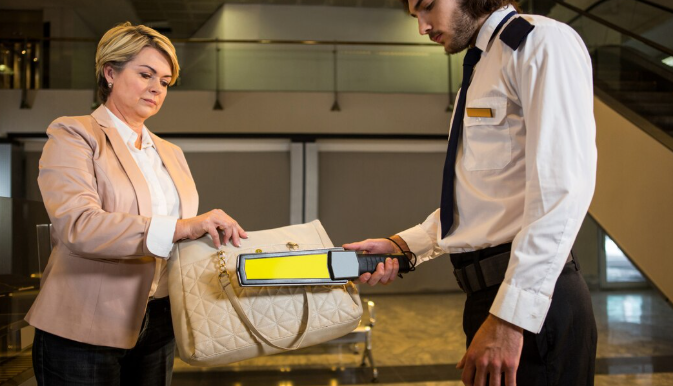
The 8 Items a Flight Attendant Says You Should Stop Bringing Through Airport Security in 2026
A certain type of traveler boards without any drama. No frantic repacking at the security belt, no scrambling at the overhead bin, and no sheepish chatter with a TSA agent displaying a bottle that has been seized. These individuals are immediately noticed by flight attendants. After more than ten years of observing people move through the cabin, both the patterns and the errors become clear.
Some of those old habits are becoming truly costly as TSA enforcement becomes more stringent in 2026. Not merely irritating. expensive. Things are being removed. They are flagging bags. Additionally, travelers are learning the hard way that the rules have changed if they haven’t updated their packing habits.
| Category | Details |
|---|---|
| Topic | Items to Stop Bringing Through Airport Security in 2026 |
| Source Authority | Experienced flight attendants with 10–12+ years in aviation |
| Regulatory Body | Transportation Security Administration (TSA) |
| Year of Enforcement Updates | 2026 |
| Key Concern | Lithium battery risks, pressurized containers, liquid regulations |
| Items Affected | Smart luggage, aerosols, vape pens, oversized power banks, and more |
| Penalty Risk | Confiscation, delays, potential fines for prohibited items |
| Traveler Impact | Carry-on rejections, checked bag re-routing, missed flights |
| Recommended Swaps | Solid toiletries, removable-battery luggage, multi-charging cables |
| Applies To | All domestic and international departures from U.S. airports |
One of the main issues at the moment is smart luggage that has batteries permanently installed. When these bags first came out, their GPS tracking, charging ports, and digital locks seemed like a great idea. The lithium-ion battery is the problem. Passengers are frequently forced to choose between gutting their luggage at the gate or leaving an expensive piece of equipment behind if it cannot be removed because airlines will not accept the bag in cargo. Checking the battery compartment before leaving the house would completely prevent this annoying situation.
Aerosol deodorants are getting flagged far more consistently than people expect. Anything over 3.4 ounces in a spray can is officially out for carry-ons in 2026, even products labeled as travel-size. The enforcement on pressurized containers has tightened because altitude and cabin pressure changes genuinely do cause leaks — sometimes worse. Stick or roll-on versions take up less space anyway, and they’ve never caused a scene at a security checkpoint.
Another area where travelers appear to underestimate the scrutiny is oversized lithium power banks. Most airlines forbid carrying or checking baggage that contains more than 160 watt-hours. These are especially concerning to flight attendants because there is a real risk of fire in a pressurized cabin. These regulations were the result of actual incidents.
Vape pens and e-cigarettes are still allowed on flights, but the requirements changed. Devices must travel in carry-on only — never checked baggage — and in 2026, the expectation is increasingly that they arrive empty. Liquid-filled cartridges are drawing extra attention at security, and travelers who haven’t emptied their devices are finding them confiscated without much discussion.
Despite being one of the oldest airport security regulations, full-size shampoos and conditioners continue to appear at checkpoints. People may believe that the 3.4-ounce liquid rule has been relaxed in some way. It hasn’t. The consistency with which agents are enforcing it has changed, especially when it comes to international departures. Solid shampoo bars are worth switching to because they have truly improved over time.
Home pillows and bulky bedding are items that a flight attendant once described, with visible exhaustion, as “the most baffling carry-on choices.” A full-size pillow takes up overhead bin space that a fellow passenger’s bag needs. Compact travel pillows with 360-degree neck support exist specifically for this reason and fold down to almost nothing.
Vintage or overstuffed hard-shell luggage with broken zippers rounds out the list in a quieter way. It doesn’t get confiscated, but it creates delays — at the belt, in the aisle, at the gate. There’s a real sense among frequent flyers that packing light and packing right has become its own kind of travel skill, one that separates the calm boarders from the stressed ones.
Watching the security lines at any major airport right now, the difference is visible. The travelers who’ve done the research move through quickly. The ones who haven’t are still at the belt, explaining something to an agent, looking slightly defeated. It’s not a complicated situation to avoid — but it does require actually updating the habits.


You May Also Like

Newport, Rhode Island, vs. Cape Cod: A Brutally Honest Comparison of Two Classic New England Destinations

The Minnesota Lake Town That Locals Have Been Keeping Secret for 30 Years — Until Now