Minimalist Living and the Art of Moving Essentials
Minimalist living has become more than just an interior design trend. For many people, it represents a lifestyle shift toward clarity, intention, and freedom from unnecessary clutter. At its core, minimalism is about focusing on what truly matters and letting go of excess possessions that weigh down both physical space and mental well-being. When it comes to relocating or reorganizing life’s priorities, adopting a minimalist mindset can make moving far simpler and more purposeful.
Table of Contents
Understanding the Value of Less
The first step in embracing minimalist living is understanding that fewer possessions often lead to greater flexibility. Owning only what you use and appreciate allows you to move through life with less stress. Instead of being tied down by boxes of rarely used items, minimalists can adapt more easily to new environments or lifestyle changes.
This mindset is especially valuable when planning a move. Instead of packing up every object accumulated over the years, minimalists carefully evaluate each belonging. They ask whether an item adds genuine value to their daily routine or contributes to their long-term goals. This thoughtful decision-making reduces moving costs, saves time, and creates a fresh start in a new space.
Intentional Packing and Prioritizing Essentials
Moving essentials is an art that involves careful preparation and organization. Minimalists often begin by categorizing belongings into core necessities, functional items, and sentimental pieces. This process ensures that only meaningful possessions are transported, making the transition smoother.
Intentional packing also helps prevent chaos during relocation. Labeling boxes clearly, using efficient packing materials, and planning logistics in advance all contribute to a more streamlined move. Some individuals even take this opportunity to refine their lifestyle further by donating or selling items that no longer serve a purpose.
For those who maintain active hobbies or specialized equipment, thoughtful transport planning becomes even more important. For example, coordinating with professional services such as Houston car shipping can ensure that valuable vehicles or gear reach their destination safely while allowing the mover to maintain a minimalist approach to logistics.
Creating Functional Spaces in a New Home
Once the move is complete, minimalism continues to influence how people arrange their new surroundings. Rather than filling rooms with decorative clutter, minimalists focus on functionality and comfort. Each piece of furniture or décor is chosen with intention, often serving multiple purposes.
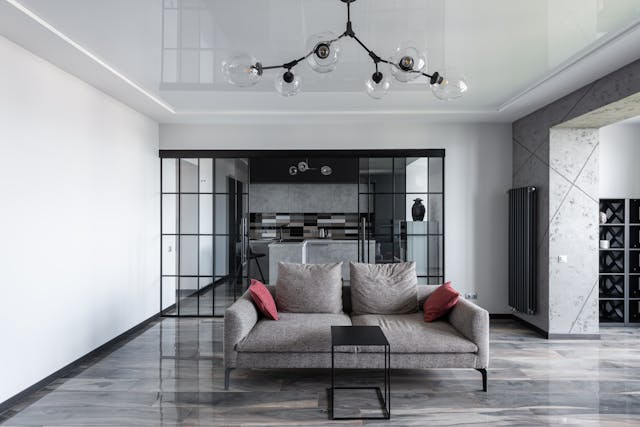
This approach helps maintain a sense of calm and order. Open spaces, neutral color palettes, and thoughtful organization can make even small homes feel larger and more inviting. Minimalist living also encourages people to develop habits that sustain simplicity, such as regular decluttering sessions and mindful purchasing decisions.
Emotional Freedom Through Simplicity
Beyond physical benefits, minimalist living offers emotional freedom. Many people find that reducing possessions leads to reduced anxiety and increased mental clarity. With fewer distractions, it becomes easier to focus on relationships, personal growth, and meaningful experiences.
Moving can be an emotionally taxing process, but minimalism provides a framework for managing stress. By prioritizing essentials and letting go of unnecessary attachments, individuals can approach relocation as an opportunity for renewal rather than disruption. This perspective helps transform the act of moving into a positive life transition.
Sustainable and Future-Focused Living
Minimalism also aligns with sustainability goals. Owning fewer items means consuming less and producing less waste. When people move only what they truly need, they reduce their environmental impact and contribute to a more responsible lifestyle.
Furthermore, minimalist living supports long-term flexibility. Whether pursuing career opportunities, travel ambitions, or lifestyle changes, having fewer possessions makes adapting to new circumstances easier. The art of moving essentials becomes a skill that empowers individuals to embrace change confidently.
Ultimately, minimalist living is not about deprivation but about intentionality. By focusing on essentials and approaching relocation with clarity and purpose, individuals can create living environments that support both personal fulfillment and practical efficiency.


You May Also Like

Planning Your Ningaloo Reef Trip: Tips for Seeing Marine Wildlife

Outdoor sports | Meet these 5 exciting activities!
