Inside the Alaska Highway – What a Classic American Road Trip Looks Like in the Age of $5 Gas
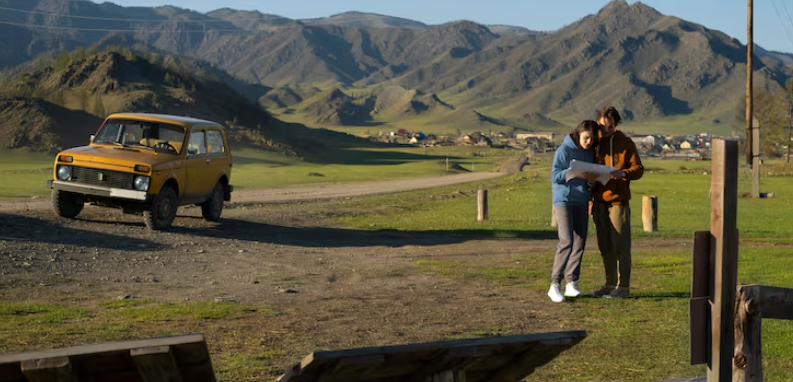
The Alaska Highway has a certain silence that is unique to North America. The cell signal vanishes and the radio stops working somewhere between Fort Nelson and Watson Lake. The only sounds left are the passing truck’s engine and the sporadic thunk of gravel. It is often described in the same way by those who have driven it, almost reverently, as though they are discussing a place that exists just a little bit outside of regular time. However, in 2026, that romance is colliding with math in a way that has never happened before, with regular gasoline not far behind and diesel hovering around $5 per gallon.
The Alcan, as most locals refer to it, travels about 1,400 miles between Delta Junction, Alaska, and Dawson Creek, British Columbia. In an attempt to link the Lower 48 to a region that felt suddenly vulnerable, it was hastily assembled during World War II. It was known for blown tires, cracked windshields, and gravel patches that punished drivers who didn’t slow down for decades afterward. Now, most of that is gone. With the exception of the sections close to the Alaskan border, where frost heaves continue to buckle the asphalt into a kind of slow, undulating chaos, the road is paved, largely level, and surprisingly forgiving.
The price of doing it hasn’t changed. Before any food, camping fees, or ferry crossing are taken into account, a van with an average fuel economy of fifteen miles per gallon can easily use up a thousand dollars in fuel for the entire 3,000-mile round trip from Seattle. That used to be the unstated cost of entry. Travelers debate whether they should have flown instead at the gas station, their calculators open, given the current pump prices.
They still show up. Alcan-related Facebook groups are busier than ever, with newcomers inquiring about caribou crossings close to Muncho Lake and veterans reminding everyone to fill up at every station regardless of how full the tank is already. Regulars feel that the trip has subtly changed the demographics. There are fewer young couples using inexpensive camper vans. There are more retirees with well-equipped rigs who chose to go despite locking in their fuel budgets a year ago. Travelers on the road may be divided into two groups by the high-gas era: those who can afford to be indifferent and those who just won’t be priced out of a dream they’ve had for years.
Thankfully, the landscape is unaware of all of this. The mountains above Kluane Lake are still covered in glaciers. Near Liard Hot Springs, grizzlies continue to stroll across the street as if no one had warned them about the traffic. Most mornings in Whitehorse, a floatplane lifts off Schwatka Lake, creating a hard white wake across nearly artificially blue water. These are the moments that people recall, the ones that momentarily render the receipts meaningless.
Here, there is a more general pattern that is worth observing. The Pacific Coast Highway, Route 66, the Alcan, and other American road trips were designed with the idea that fuel would always be the least expensive aspect of the trip. That presumption is eroding. Travelers are still traveling, but they are making decisions that would have seemed unthinkable ten years ago. For example, they are cooking on camp stoves rather than stopping in Whitehorse for dinner, and they are switching from motels to boondocking locations.
It remains to be seen if the Alcan survives this change as a popular pilgrimage or quietly turns into a specialty activity for the wealthy. Observing the trucks and vans heading north every summer makes it evident that some journeys persevere despite difficult math. Currently, one of them is the Alaska Highway.


You May Also Like

Food for Thought: Baton Rouge Pralines versus Argentina’s Dulce de Leche

Baton Rouge’s Local Food Evolution
