The Georgia Mountain Town That Is Slowly Becoming the Napa Valley of the American South
On a Friday afternoon in late September, Ellijay experiences a certain kind of silence that makes you unintentionally slow down the car. Compared to Atlanta, the light changes earlier here. Apple trucks roar through the city center. Around four, tasting rooms begin to fill up. It doesn’t seem like a place attempting to become anything specific, which is likely why it’s evolving into something so intriguing.
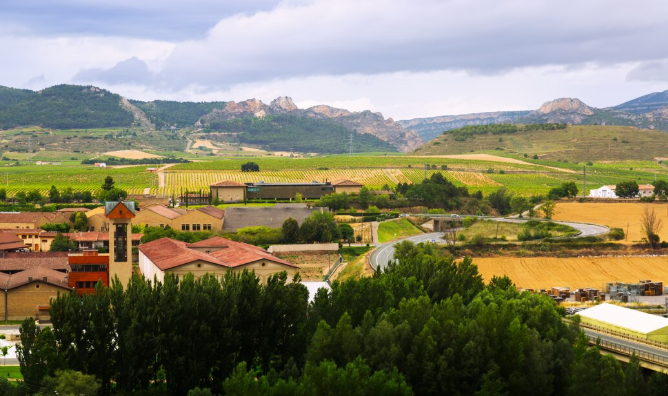
For many years, the term “wine country” in the South meant taking a plane to California. Sonoma, Napa, or perhaps the Central Coast if they were in the mood for adventure. It seemed almost absurd that grapes could grow in red Georgia clay in a town more famous for apple festivals and cider doughnuts. However, if you travel twenty minutes outside of Ellijay in any direction, you will come across rows of vines that resemble Tuscany rather than the Deep South as they climb up hillsides.
| Detail | Information |
|---|---|
| Town | Ellijay, Georgia |
| Region | North Georgia, foothills of the Blue Ridge Mountains |
| Population | Roughly 1,938 |
| Nickname | Apple Capital of Georgia |
| Nearest Major Airport | Chattanooga Metropolitan Airport (CHA) |
| Famous For | Apple orchards, vineyards, fall foliage, mountain hikes |
| Nearby Wilderness | Rich Mountain Wilderness, Chattahoochee-Oconee National Forest, Fort Mountain State Park |
| Best Season to Visit | Late September through November |
| Driving Distance from Atlanta | Around 85 miles north |
| Local Economy | Agriculture, tourism, wine, hospitality |
Up here, the analogy to Napa is frequently made, and it’s not totally accurate. Napa is sophisticated, pricey, and occasionally a bit draining. None of those describe Ellijay. The conversations are longer, the pours are larger, and the tasting rooms are smaller. The winemaker is more likely to strike up a conversation than a sommelier wearing a pressed shirt. The area seems to be still figuring out what it wants to be, and that uncertainty is part of its allure.
The geography’s cooperation is beneficial. Good wine grapes seem to prefer cool nights, and the Blue Ridge foothills provide just that. Growers in the area have shifted to cultivars like Chambourcin, Vidal Blanc, and Norton that are more tolerant of humidity than the traditional French varietals. The climate doesn’t always cooperate, as some people who still attempt Cabernet have discovered the hard way. Instead of copying what grows in California, the region’s identity may be based on what doesn’t.
It has been quietly fascinating to watch this develop over the past few years. Ten years ago, you could drive to four major wineries. There are now at least one restaurant that wouldn’t feel out of place in Charleston, a few new boutique hotels, and over a dozen tasting rooms strewn throughout downtown. There hasn’t been much growth. The way the weather in the mountains changes—gradually at first, then all at once—just kind of happened.
Naturally, the comparisons do not excite everyone in Ellijay. Longtime locals will occasionally roll their eyes at the Napa label when you speak to them. Because it wasn’t Napa, they relocated or remained here. When outside money begins to pay attention, small towns always carry a certain amount of tension. The cost of real estate has increased. Vineyard owners have purchased some former apple farms. Whether the town can maintain its identity in the face of the upcoming attention is still up in the air.
However, the anxiety somewhat subsides on a leisurely Sunday morning while enjoying coffee on a porch overlooking a foggy ridge. They are still picking apples. It’s still pouring from the vineyards. The mountains are still there. Ellijay doesn’t seem to be in a rush to become whatever he ends up becoming. And perhaps that’s what makes the place seem like something worth traveling up for, rather than the wine.


You May Also Like

One of Nat Geo’s Favorite Hikes- Bryce’s Queen’s Garden Navajo Loop: A Photo Essay
Hiking in the Highlands, North Carolina
